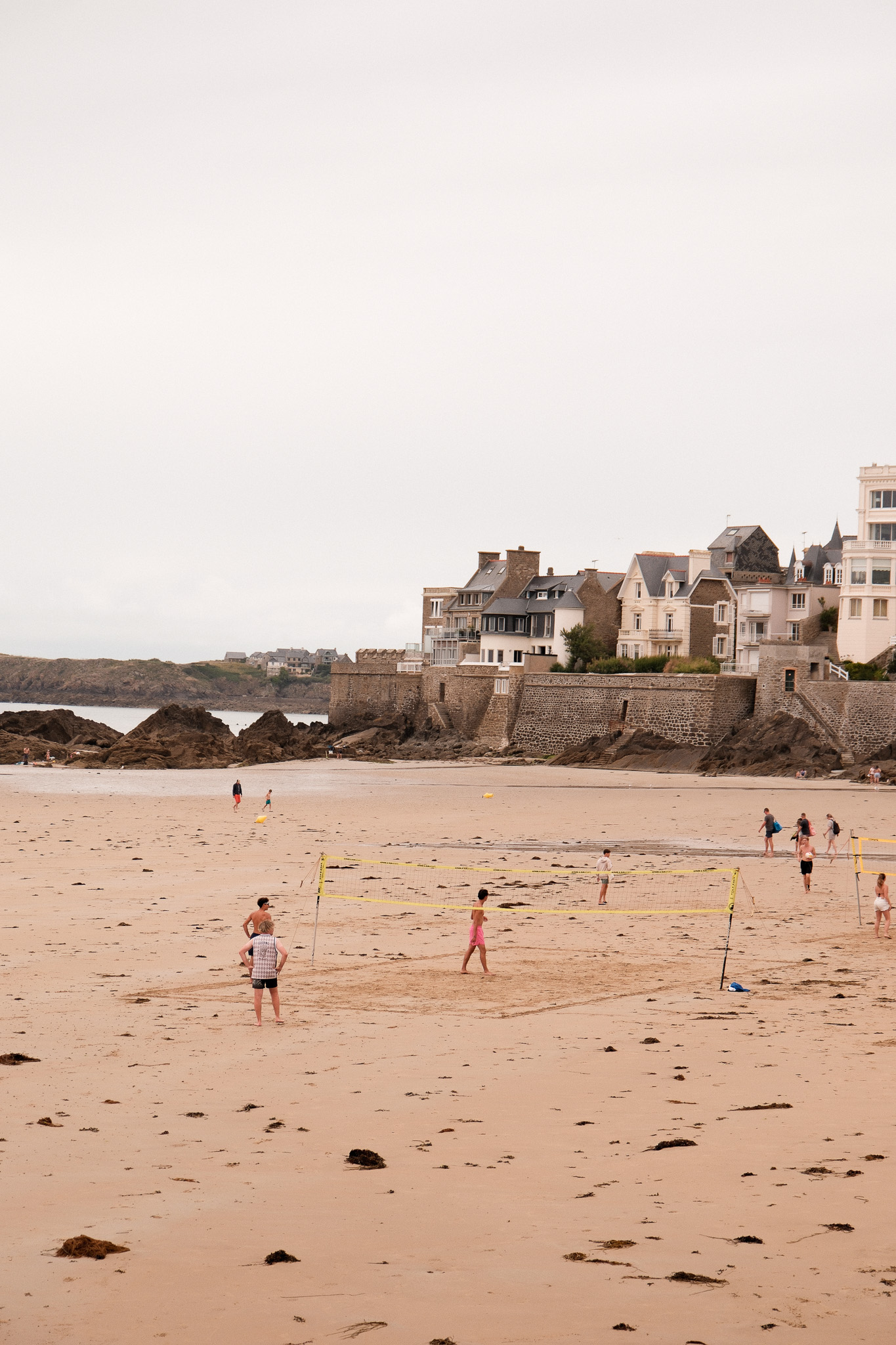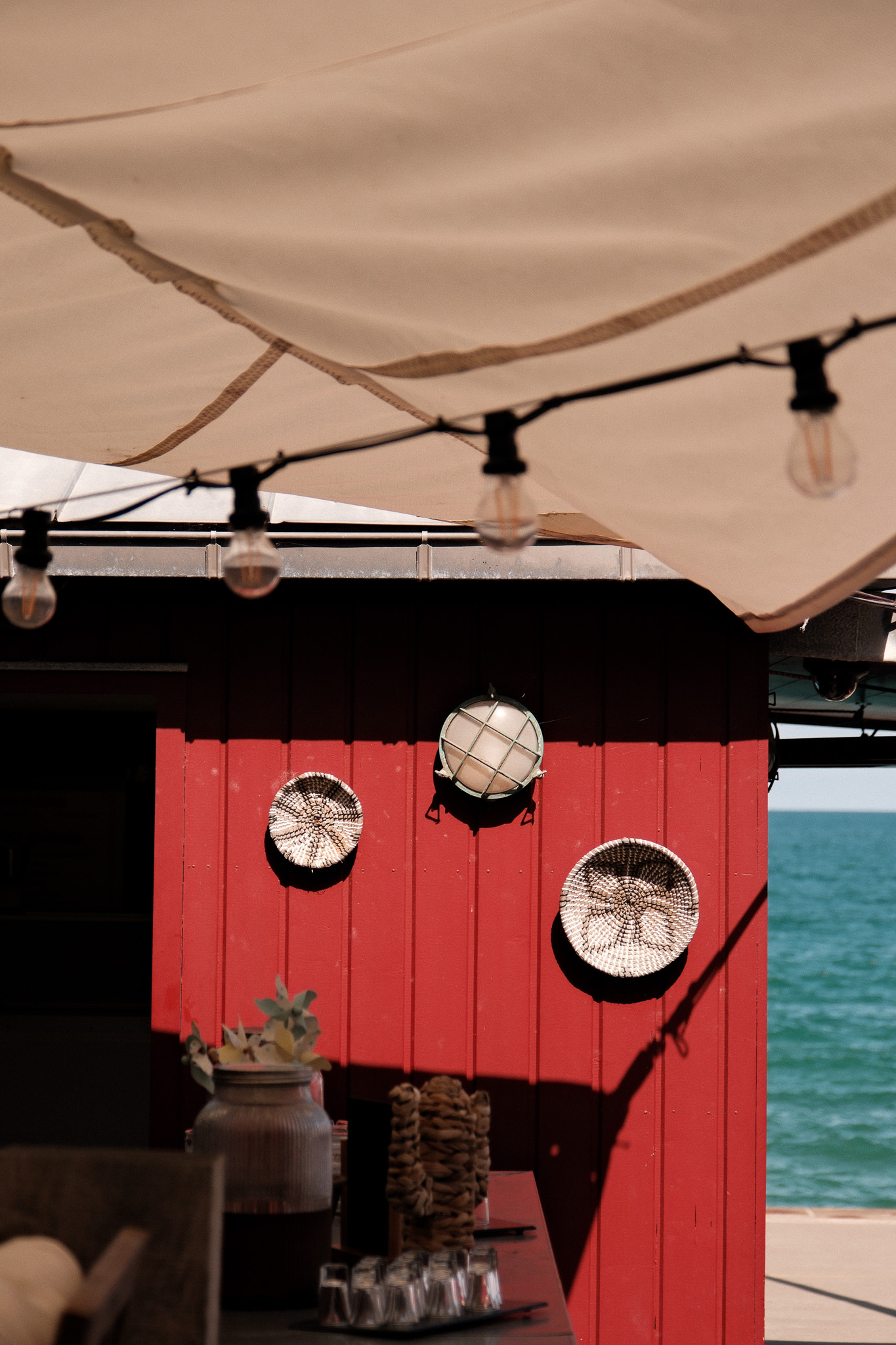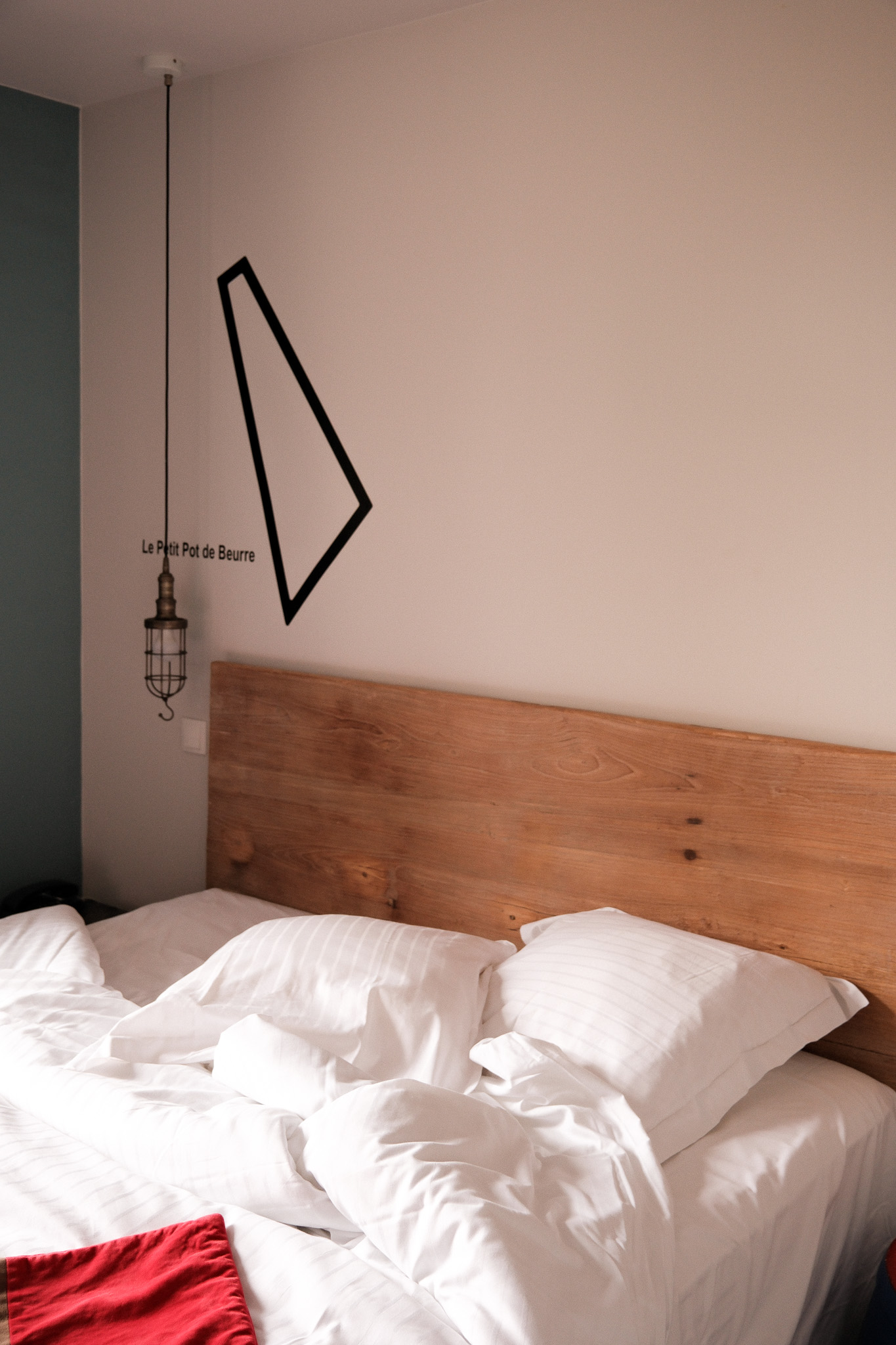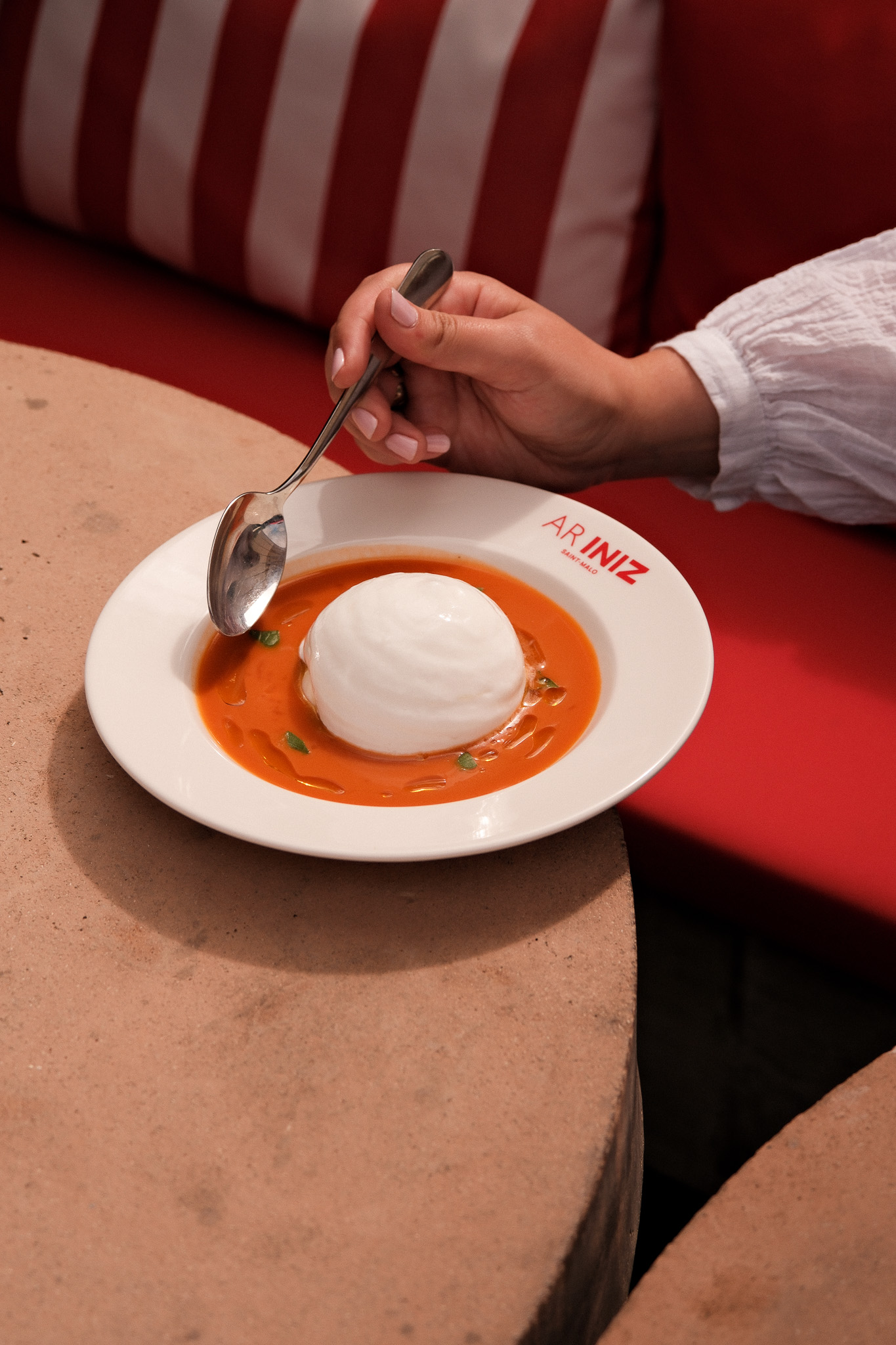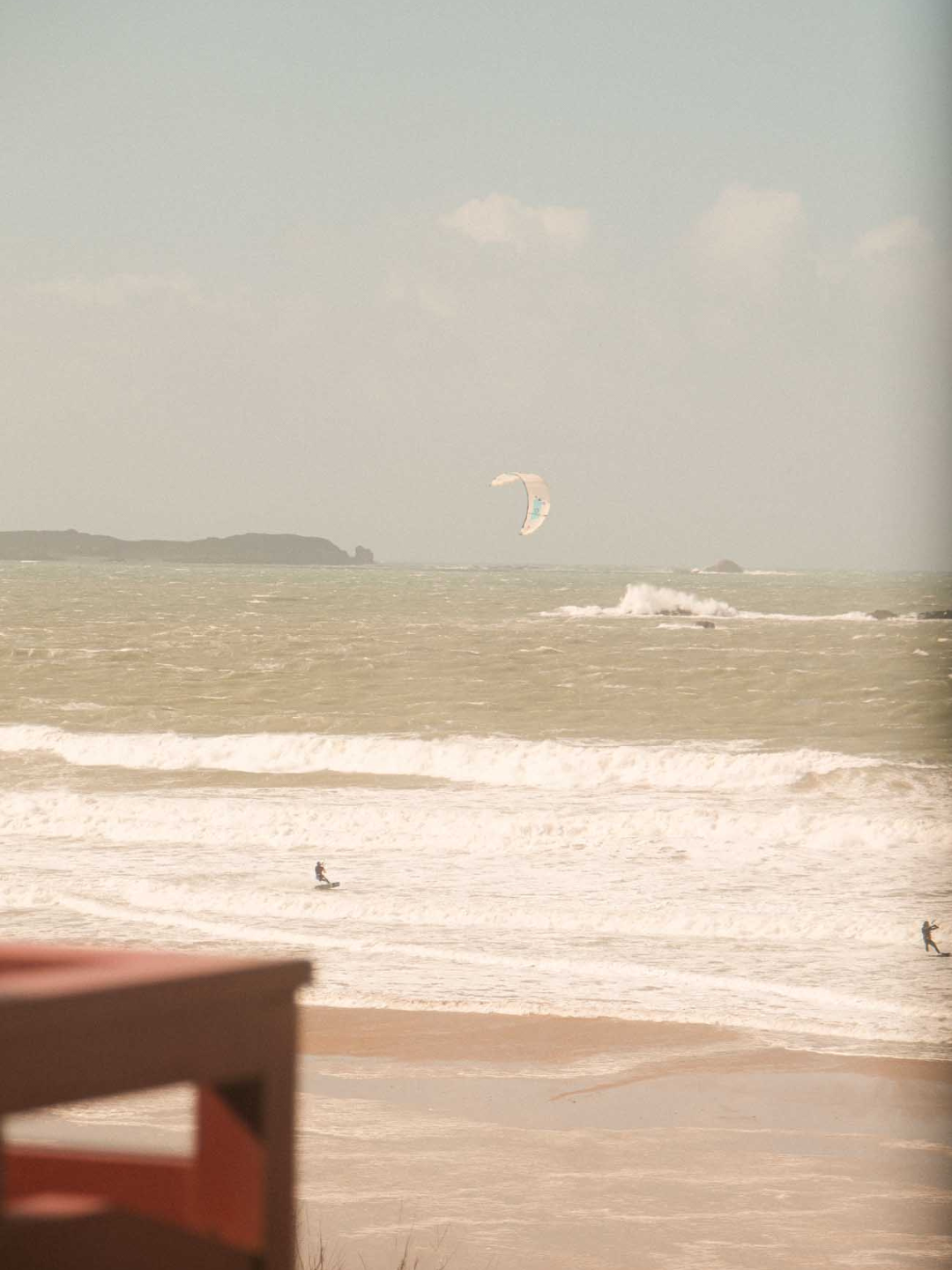
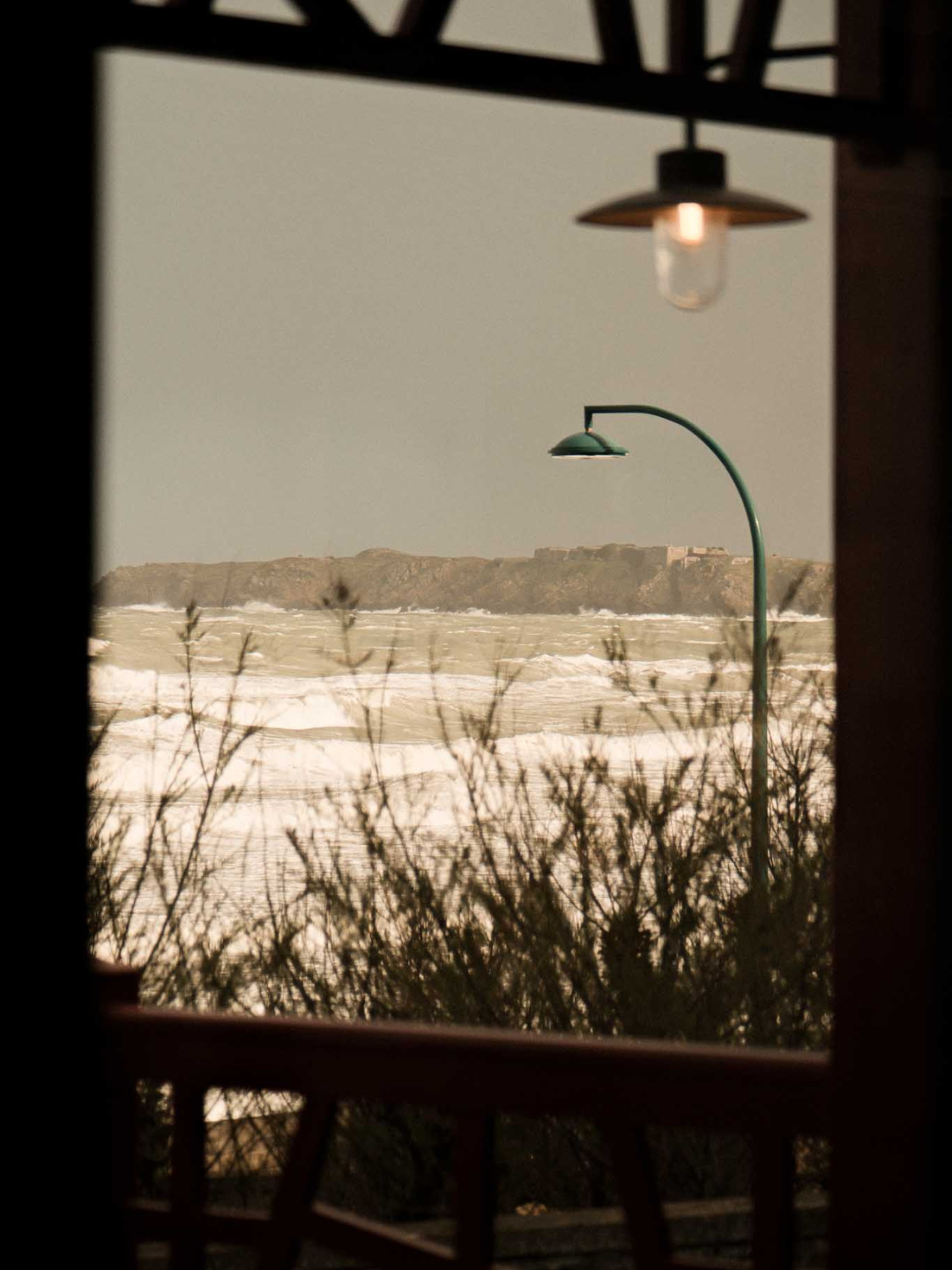
The high tides in Saint-Malo are among the most eagerly anticipated events of the Breton fall. Every year, the bay takes on a new look: the coastline is reshaped, kilometers of foreshore are revealed, and the city offers one of the most impressive natural spectacles on the coast.
WHAT IS A SPRING TIDE?
A tide is considered a «spring tide» when its coefficient exceeds 100. This number, which ranges from 20 to 120, measures
the range between low tide and high tide: the greater the range, the farther the sea recedes and the higher it rises. In Saint-
Malo, a town with one of the greatest tidal ranges in Europe, sees this phenomenon take on a special significance, attracting curious visitors, photographers, and lovers of the sea every year.
THE HIGH TIDE CALENDAR, FALL 2026
The dates and tidal factors to keep in mind for seeing the season's most spectacular tides:
- September 11, 12, and 13 – coefficient 102
- September 27, 28, and 29 – coefficient 99 (equinoctial tide)
- October 10, 11, and 12 – coefficient 95
- October 27, 28, and 29 – coefficient 100
- November 25, 26, and 27 – coefficient 97
- December 25, 26, and 27 – coefficient 99
The equinox tides in late September are traditionally among the most eagerly anticipated: they mark the change of seasons and are often accompanied by shifting skies, which create the most beautiful light over the bay.
Why Watch the Spring Tides from Ar Iniz
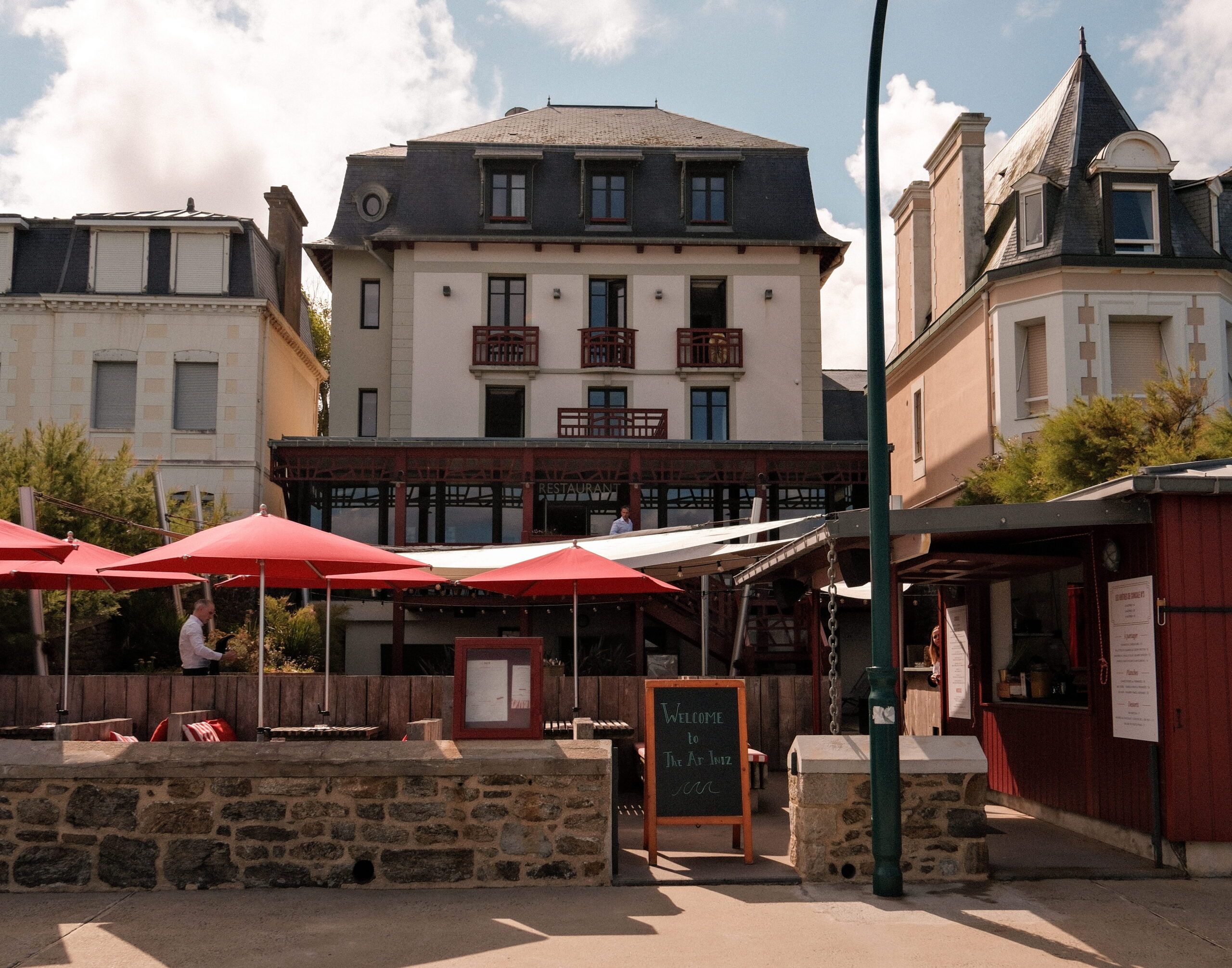
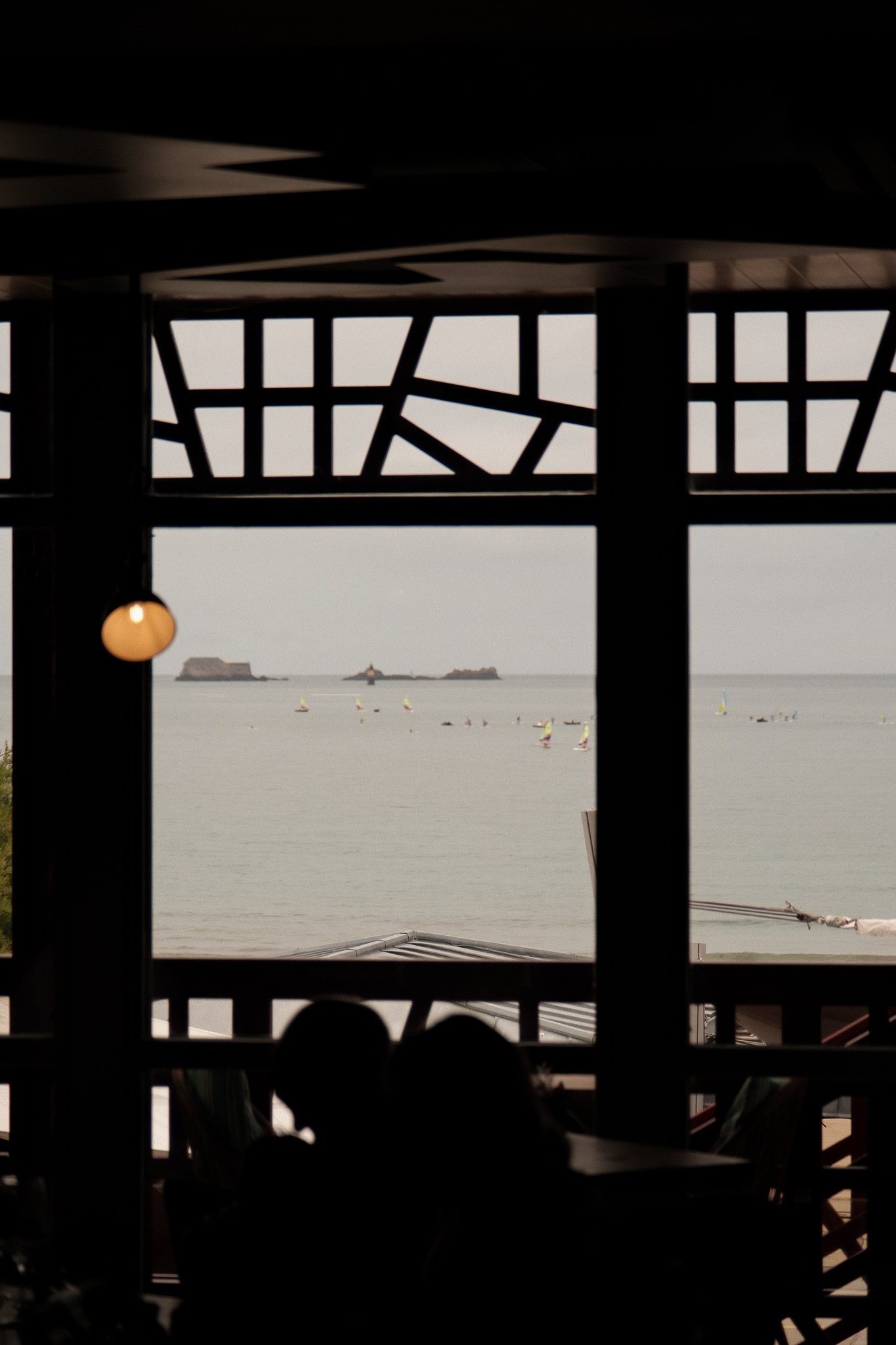
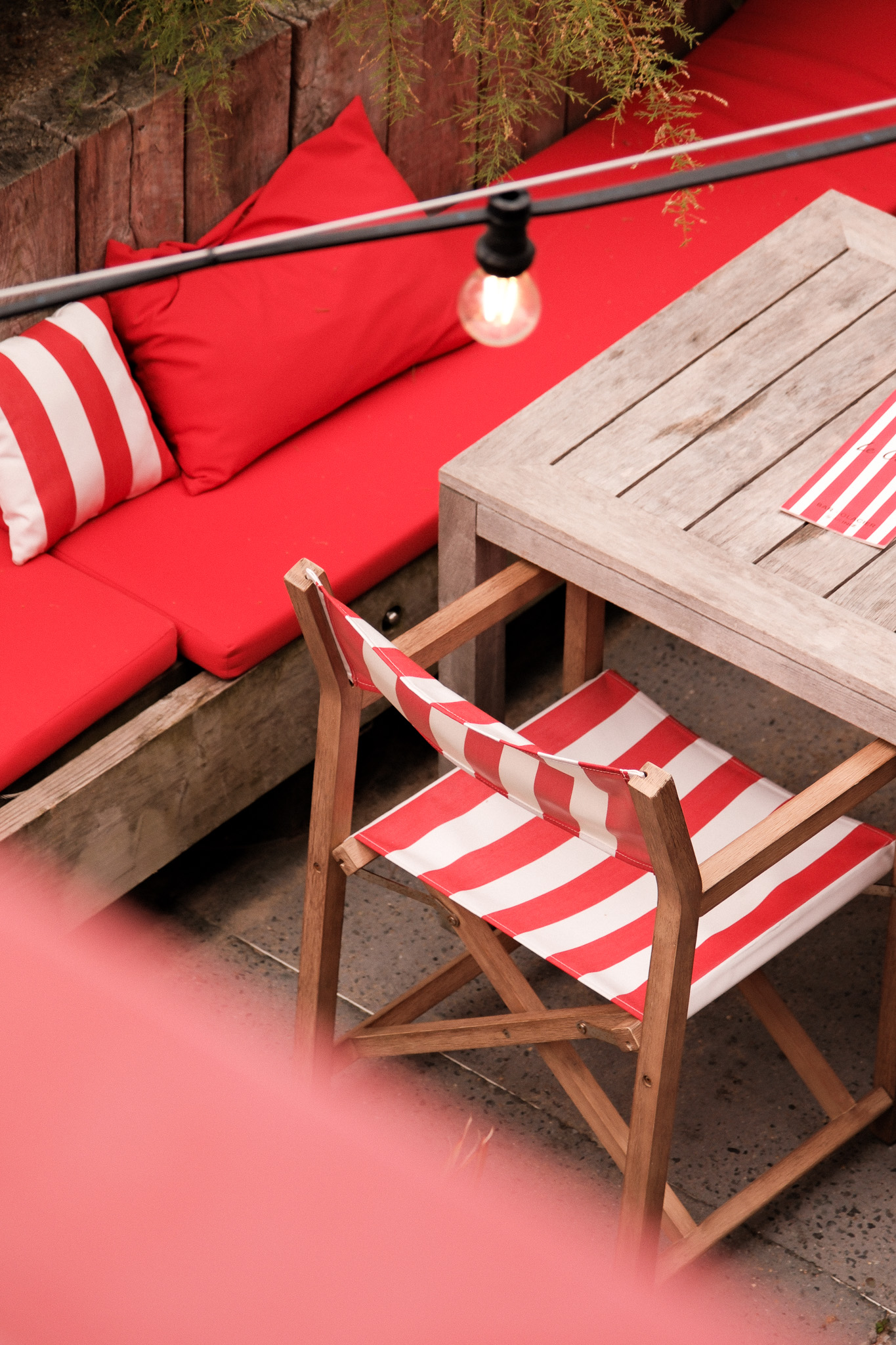
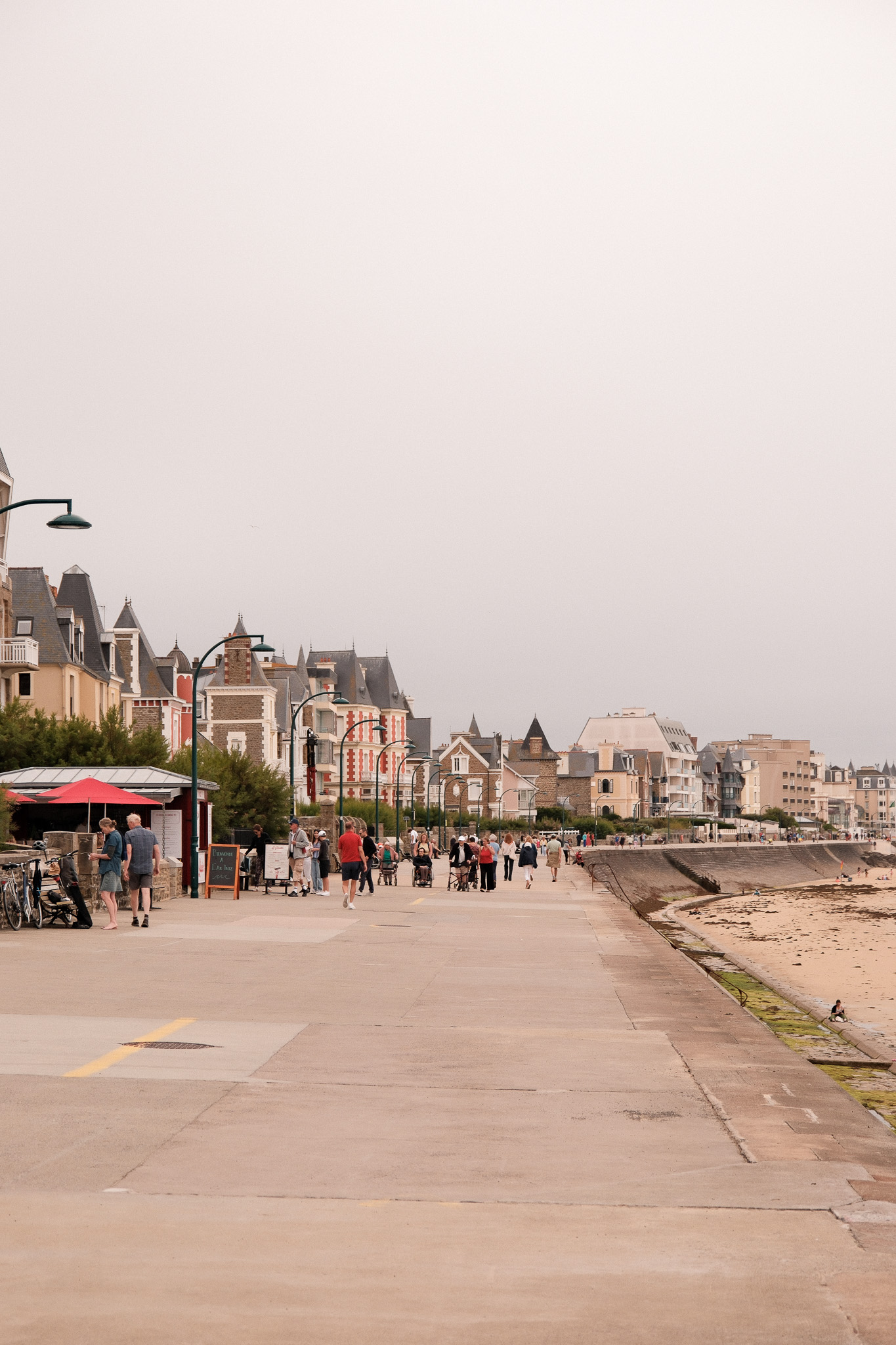
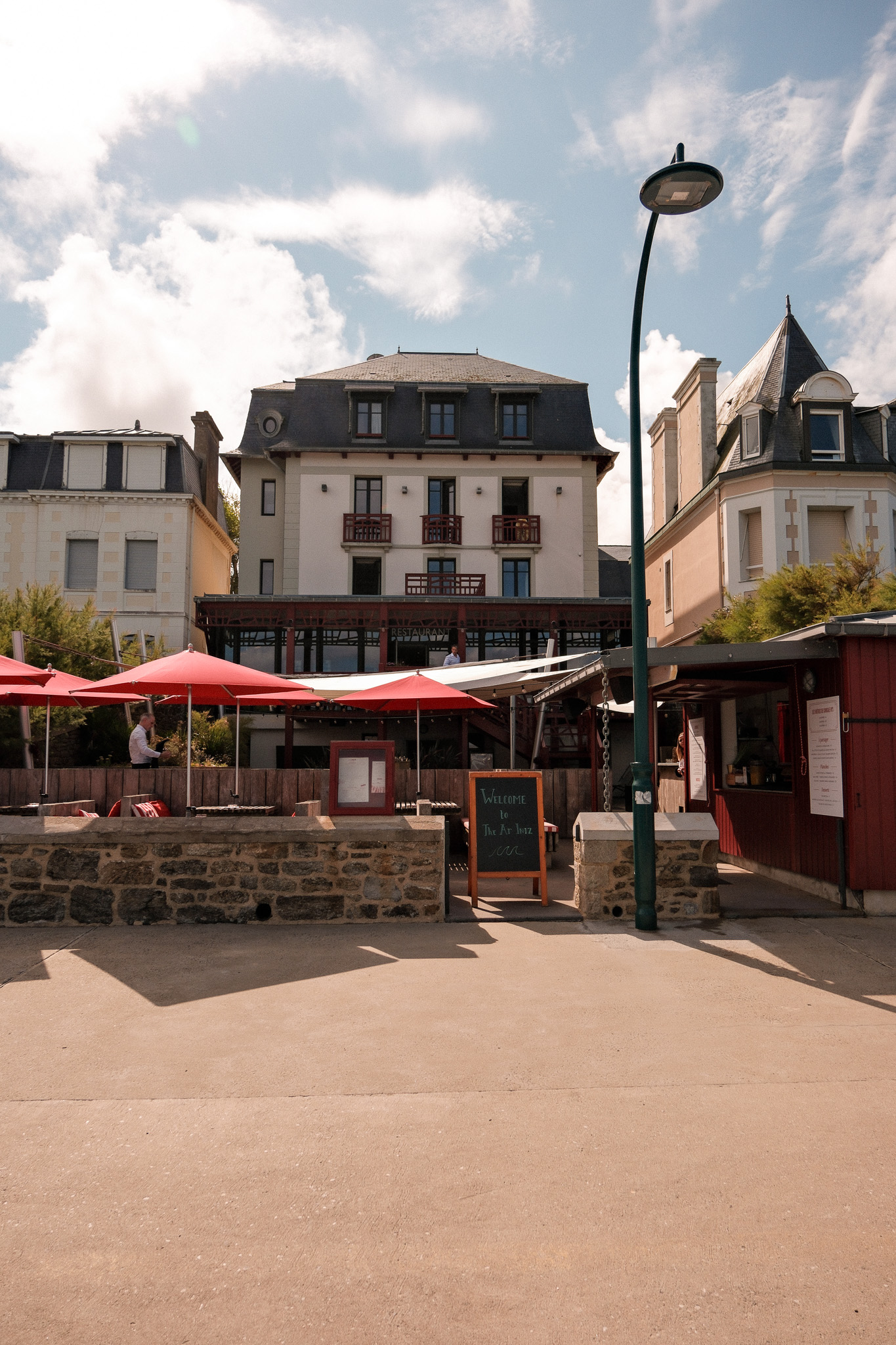
Located across from the Sillon, just a few steps from the Grand Bé and the city walls, Ar Iniz offers a prime view of this
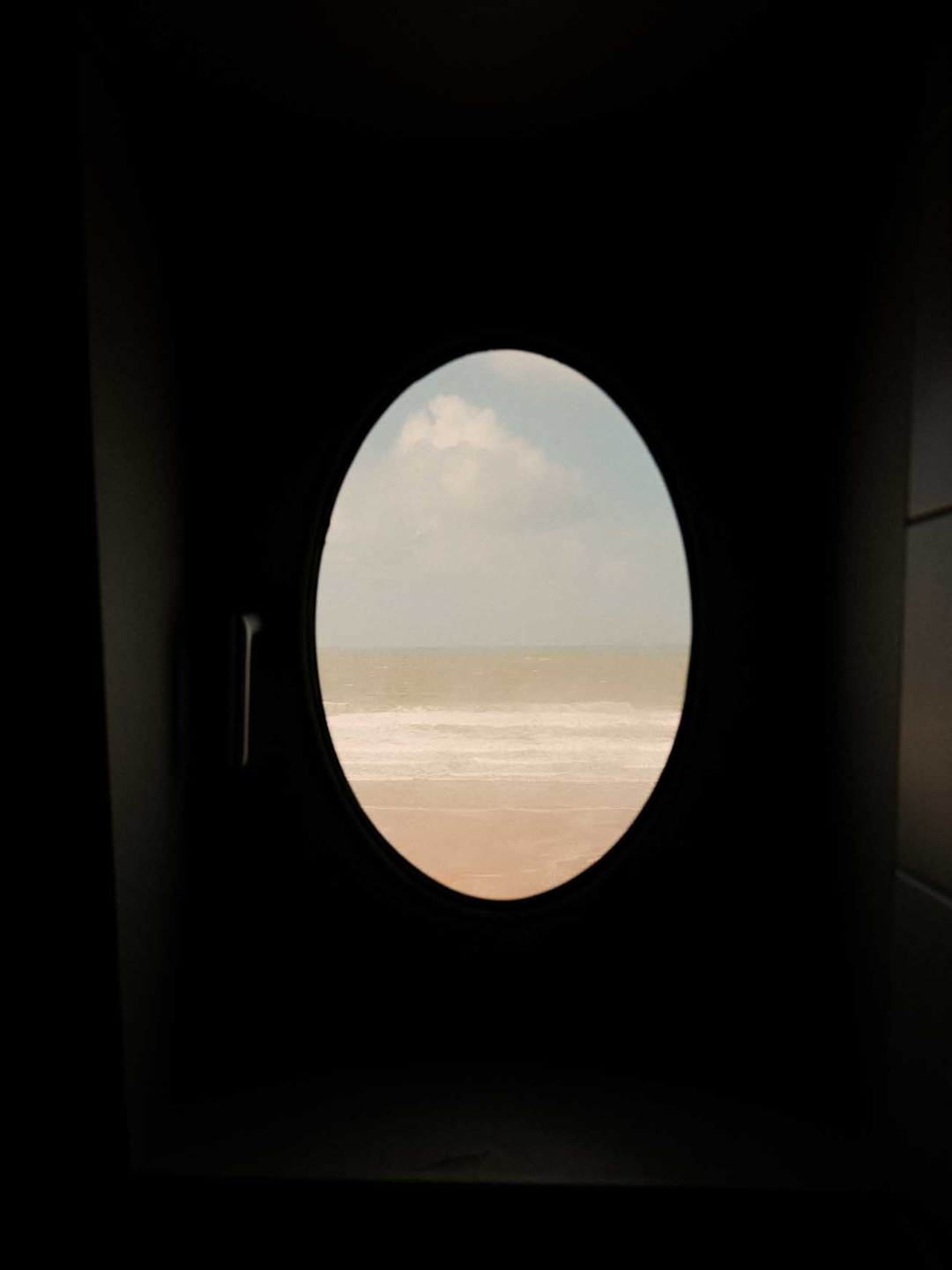
the movement of the ocean. From the terrace or certain rooms, you can watch the sea recede into the distance, revealing rocks,
sandbars and shore fishermen, before watching it return with the same confidence, sometimes rising high enough to cover the lower parts of the breakwaters.
It’s an event that many residents of Saint-Malo and visitors look forward to year after year: no two spring tides are ever quite alike, depending on the wind, the light, and the tidal coefficient for the day.
How to Make the Most of the High Tide Spectacle
Check the exact low-tide times before heading out for a walk on the foreshore, in addition to the tidal coefficients.
Be careful: the tide comes in quickly, especially when the tidal range is high. It’s essential to keep an eye on the time and never venture too far out without knowing the tide-turning times.
Choose times around high tide to witness the power of the waves on the Sillon and the
seawalls. Bring a camera: the low, slanting autumn light really brings out the beauty of these tides.
A unique experience for visitors
The spring tides in Saint-Malo aren’t just a phenomenon to observe from afar—they also set the pace for life in the city. Shore fishermen, strollers, and photographers gather on the Sillon as soon as the ebb tide begins, when the sea starts to reveal the beach. Local shopkeepers and restaurant owners are well aware of these dates and see the same visitors return season after season, eager to witness this spectacle. For many, a trip to Saint-Malo when the tidal coefficient exceeds 100 has become an autumn ritual, just like strolling along the ramparts or enjoying seafood with a view of the sea. Ar Iniz is part of this local tradition, offering a comfortable and prime vantage point where you can fully enjoy the phenomenon without having to brave the elements.
Book Your Stay During Spring Tides
Whether you’re a photography enthusiast, fascinated by natural phenomena, or simply looking for a setting where the ocean sets the pace of daily life, fall in Saint-Malo—as seen from Ar Iniz—is perfect for those moments that seem to stand still. A table on the terrace, a coffee facing the sea, and the spectacle of the high tides begins—without having to go very far to see it. Booking your stay during one of these periods means treating yourself to a break that blends nature and comfort, just a few meters from one of the most beautiful viewpoints overlooking the Bay of Saint-Malo.